The Science and Art of Alloy Steel Manufacturing

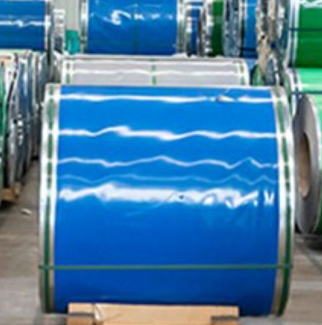
Steel makes us think of strong shiny objects, such as bridges or skyscrapers. Steel is in so many places due to its strength and ability to handle tremendous weight. But, believe it or not, all steel is NOT the same. Not every steel is like this,only alloyed one which we call it of Steel. It is produced by alloying nickel, chromium and manganese. The special blends allow for altering the strength of steel and also ensure its resistance moves time passing rusted or wearing down. What is less understood however, and which also varies between steels, is the sub micro-structure of steel -this impacts how long it will last and include safety in construction (and other industries).
Contents of Steel Alloy MixturesAlterations Caused by Adding Alloy Mixtures to.
The metals that companies scientifically combine together to make Alloy Steel are of particular concern. They only design for the necessary features of their products. A company that were building gears for heavy machinery might, as an example mix steel with a molybdenum. This is done in order to increase the strength and resilience of the steel. When they mix molybdenum with the steel, it will become stronger and stronger. But one needs to be cautious with this, because when add too much molybdenum - it could make the steel weaker and more brittle. Therefore, it is crucial to discover an optimal proportion of each metal for producing high-quality alloy steel.
Maintaining the Strength and Quality of Alloy Steel
Therefor is a controlled process essential during the production of this kind of steel it's called Alloy Steel. This helps to guarantee that the steel being produced is always high-quality. To make steel, the manufacturers check and measure different parameters as temperature, pressure or time in special machines. These units help them to keep everything perfect even. They also check the steel into how hard it is, hot well this resists rust and all other types of damage. With meticulous control over the process, manufacturers can guarantee that each hulabaloo steel is as robust and tough as their last. For industries that use top-of-the-line materials, this consistency is imperative.
How Alloy Steel is Made
The production of Nickel Alloy involves a process that is long and time-consuming. The initial step is melting the source materials- several metals including these traditional are melted in a furnace under very high temperatures. This process is crucial, as it ensures the mixing of metals appropriate. Once the metals are melted, they get mixed based on recipes that have been developed for various grades of alloy steel. If the blend is right, and if metals have been mixed well enough to produce a liquid steel that will be poured into heavy molds which are then cycled away from the furnaces where they cool down as solidifying. Following cooling, the steel is cut to shape and size for purpose of final use. Depending on what it is going to be used for, the steel may also undergo additional treatments such as heating or polishing which helps improve certain characteristics of the material and appearance.
Alloy Steel Cost of production
While it is required in many various industries, alloy steel can also be expensive to manufacture. On top of that manufacturers need to make an initial huge investment in machinery and raw materials used to mix the steel. The more complex the alloy, the greater will be its manufacturing cost. But the positive effects of alloy steel make them a little investment. In construction, aerospace or automotive industries we need strong and durable materials to be safe. While the expenses can be steep, it really is beneficial for these sectors to spend into alloy steel since its features are long-lasting.
New Ways to Make Alloy Steel
For applications that must survive very high heat and pressure, alloy steel is a great fit. Yes, your car engine becomes hot while running or how much weight of a plain when thousands kg in the air carrying passenges and luggages. Alloy steel is tailored for the extreme difficulties, as its mixed with metals that can withstand serious high temperatures and pressures. Improved technology has paved way for manufacturers to find brand new ways of making the Haynes Alloy stronger than ever before in order to deal with more challenging applications. Thanks to those improvements, the steel can be used in areas that are more critical than ever before while still delivering on its inherent strength and durability.
Therefore, steel may be deceptively simple at first glance - there is some fairly high science and skill in coming up with the right mix for each product. With a little tweaking in the production process, and some neat experimentation on different materials makes scientists and manufacturers always think of new cool ways to make steel stronger safer and helpful for everyone. The continuous research and development in alloy steel manufacturing will also maintain the best material for wide range of usages at our daily routine.


Comments
Post a Comment